Key Takeaways from the Technical Webinar Organized by AMIVE
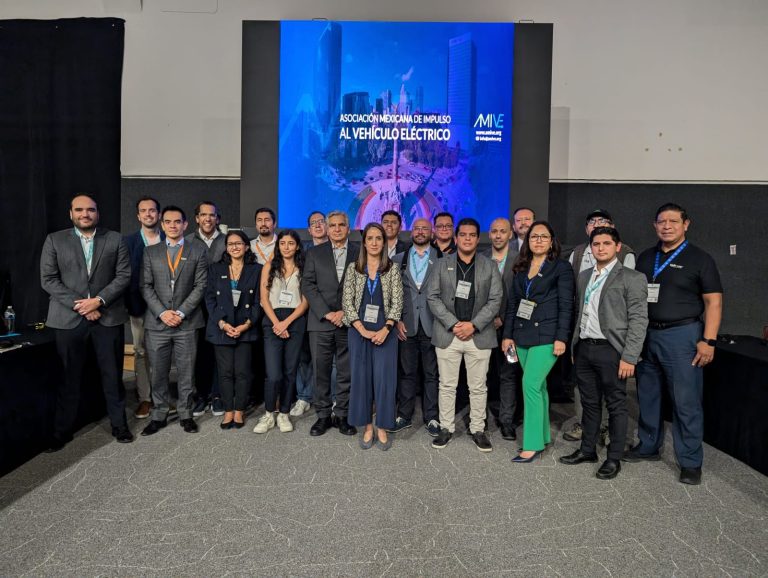
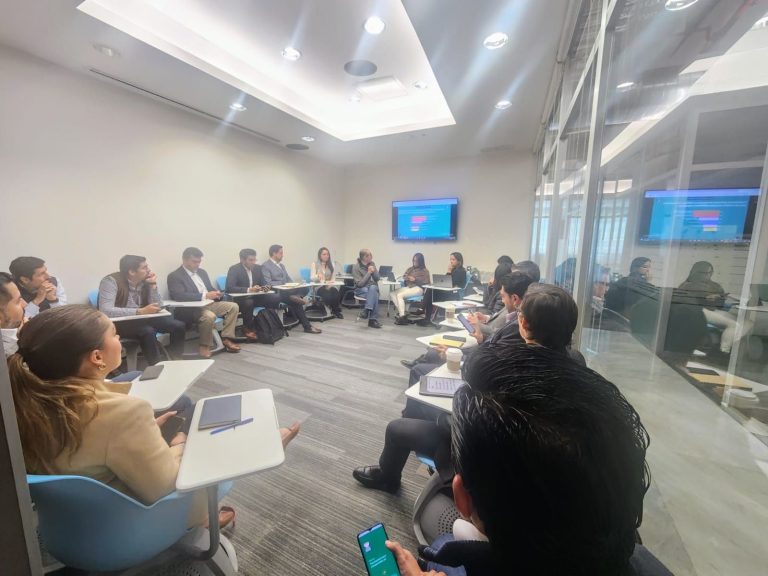
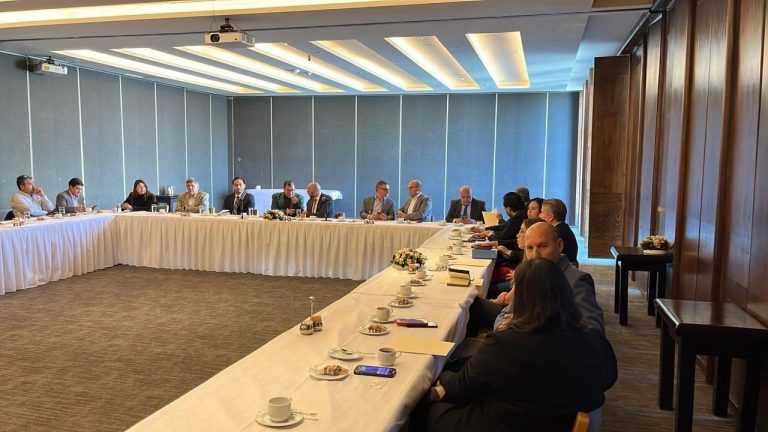
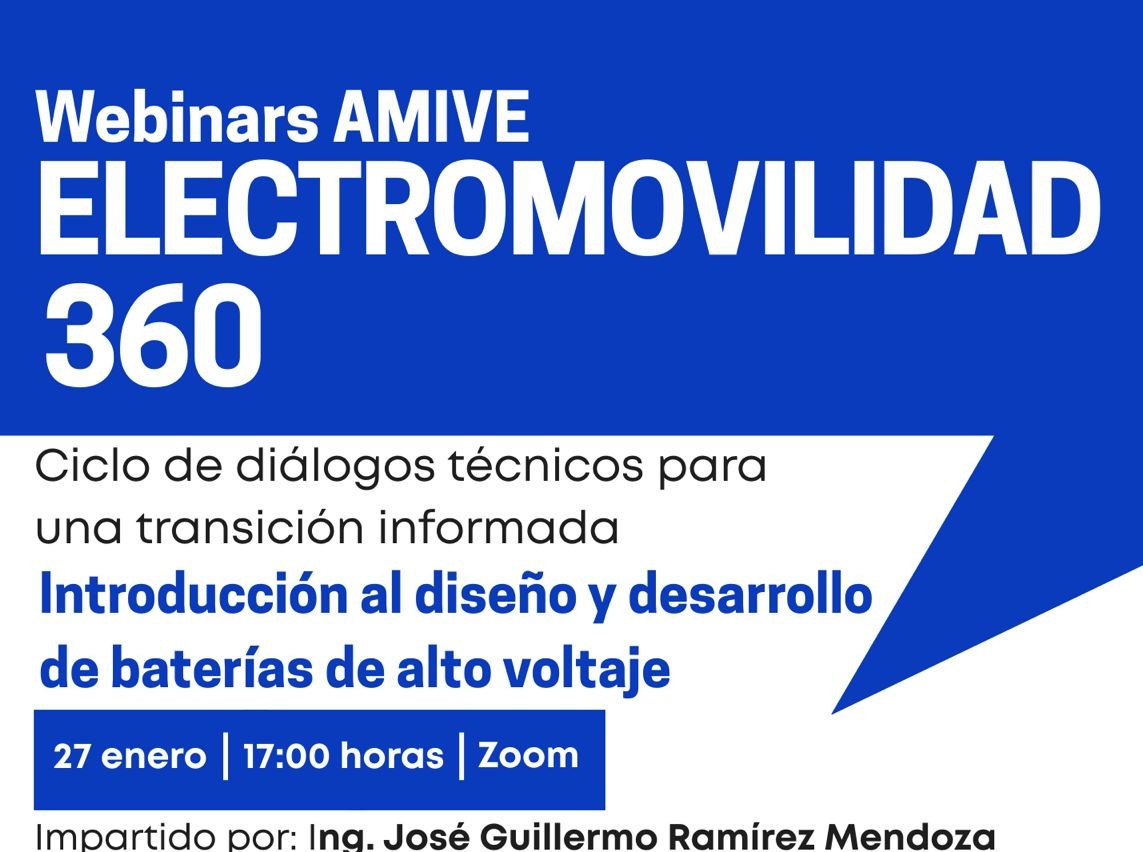
The Mexican Association for the Promotion of Electric Vehicles (AMIVE) held a new technical webinar focused on one of the key components for the development of electromobility in Mexico: high-voltage batteries.
The session brought together ecosystem stakeholders, technical experts, and industry leaders to discuss technological advances, regulatory challenges, and opportunities for national industrial development.
AMIVE and the Construction of an Electromobility Ecosystem
AMIVE continues to strengthen a collaborative ecosystem to accelerate electric mobility in Mexico, currently bringing together more than 30 companies from different subsectors, ranging from OEMs and technology providers to charging infrastructure and specialized service companies.
During the webinar, Diana Ávalos, Director of AMIVE, emphasized the importance of maintaining ongoing communication with authorities, associations, and new market players, with a long-term vision aimed at consolidating a competitive and sustainable sector.
Battery Technology Evolution: Higher Voltage, Greater Efficiency
Germán Carmona, President of AMIVE, highlighted that battery evolution is a determining factor for the viability of electromobility.
The increase in voltage levels—from 72-volt systems to platforms exceeding 800 volts, particularly in heavy-duty vehicles—has significantly improved performance, energy efficiency, and competitiveness compared to conventional technologies.
However, this progress also requires higher safety standards and specialized training, as high-voltage systems involve critical risks if not properly managed.
High-Voltage Battery Design: Efficiency and Cost
During the session, José Guillermo Ramírez Mendoza presented a battery design methodology based on the specific mission of the vehicle, considering key parameters such as voltage, energy, size, and weight.
As a reference case, a 500-volt, 45 kWh battery model was presented, applicable to passenger electric vehicles and heavy machinery. Under this approach, the estimated cost in mass production is around USD 4,500, while prototype-level costs can be roughly double.
The modular design allows for series and parallel configurations to be adjusted in order to optimize range, power, and safety for each application.
Safety, Regulation, and International Homologation
One of the main messages of the webinar was the urgent need to comply with international standards to ensure battery safety and market acceptance. Standards such as ISO 26262, IEC 38.3, and SAE 21434 are essential for homologation and access to markets such as the United States.
Currently, many batteries available in Mexico do not meet these regulations, representing a risk for users and operators and a barrier to sector growth.
The use of advanced battery management systems (BMS), thermal monitoring, and appropriate containment designs is critical to preventing events such as thermal runaway.
Opportunities for the National Battery Industry
Mexico has significant capabilities in the manufacturing of electrical components such as wiring harnesses and enclosures; however, the production of battery cells and modules still relies heavily on imports.
Developing national capabilities in modules, software, and eventually cells represents a strategic opportunity to strengthen the value chain, reduce technological dependence, and improve Mexico’s competitiveness in electromobility.
Looking Ahead: The Future of Batteries
Regarding emerging technologies such as solid-state batteries, mass adoption is expected to take another 10 to 20 years due to high costs and current dependence on lithium. In the meantime, existing battery technologies will continue to evolve and dominate the market in the short and medium term.
Next Steps
AMIVE announced the continuation of this technical webinar series to further explore key topics, address open questions, and strengthen capacity-building across the ecosystem.
Through these initiatives, the association reaffirms its commitment to driving national technological development and positioning Mexico as a relevant player in electromobility.